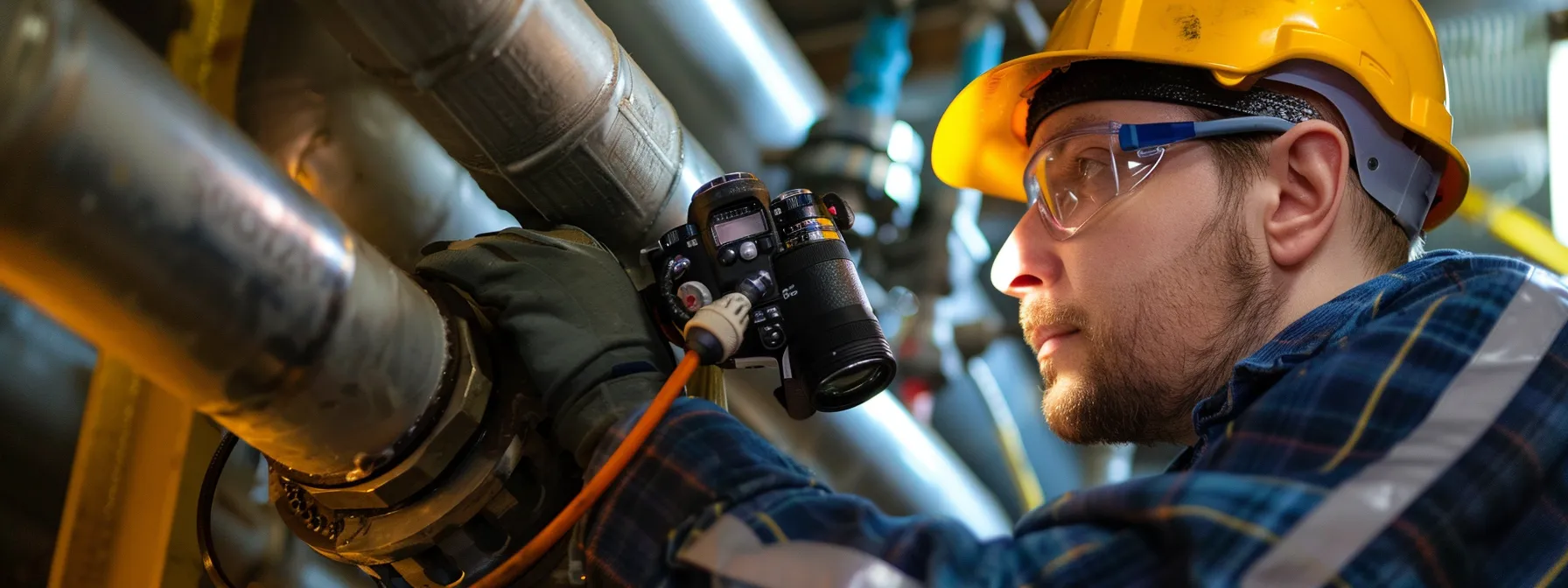
Stephen Straz Discusses Hands-On Leadership in Construction
Stephen Straz discusses how hands-on leadership in construction improves communication, safety, accountability, and project outcomes while helping field leaders adapt to new technology and workforce needs.

Stephen Straz Discusses Hands-On Leadership in Construction

(Investorideas.com Newswire) a go-to platform for big investing ideas, including gold and energy stocks issues market commentary from deVere.
In the construction industry, effective leadership on the jobsite can be the difference between success and costly setbacks. Hands-on leaders play a pivotal role by bridging the divide between management and workers, building trust, and enabling clear communication. As noted by Stephen Straz, their visible presence not only boosts morale but also ensures that safety standards and quality expectations are upheld throughout the project’s duration. As the industry evolves, with new technologies and shifting workforce needs, the demand for adaptable, engaged field leaders continues to grow.
Defining Hands-On Leadership in Construction
Hands-on leadership in construction means being actively involved in daily site operations while setting a clear example for others to follow. This leadership style centers on direct participation rather than managing exclusively from an office. On a bustling jobsite, a hands-on leader might be seen helping resolve a material shortage, discussing plans with crew members, or inspecting progress firsthand. Sometimes, these leaders will even step in to troubleshoot equipment or clarify project drawings.
Such an approach helps bridge the gap between management and workers, encouraging open communication and trust. When leaders are present and approachable, team members often feel more supported, leading to smoother project delivery. This style has proven especially valuable during high-pressure phases, such as concrete pours or safety walk-throughs, where visible leadership can motivate teams and address issues as they emerge.
Essential Qualities of Hands-On Construction Leaders
A hands-on construction leader stands out by being present and accessible on the jobsite, not just giving directions from afar. Their ability to communicate expectations clearly ensures that everyone understands their roles and responsibilities. When quick decisions are needed—say, during an unexpected weather delay—these leaders act swiftly, keeping the project on track without unnecessary downtime. Occasionally, they’ll gather the crew for impromptu meetings to realign goals or share important updates, demonstrating attentiveness to shifting site needs.
Commitment to safety is another defining trait. Workers notice when a leader consistently enforces safety protocols, such as double-checking harnesses before roof work or holding impromptu safety talks after near-misses. Empathy also plays a crucial role. When a supervisor recognizes a crew member’s strengths and encourages them to take on new challenges, it can boost confidence and morale across the whole team. Their openness to feedback and willingness to adjust plans can set a positive tone for the entire worksite.
The Positive Outcomes of Engaged Leadership
Teams led by hands-on supervisors often report higher job satisfaction and stronger loyalty. When leaders participate in daily activities, crew members feel their work is valued, reducing turnover and absenteeism. Projects with visible, involved leaders tend to hit milestones more consistently, as small problems are caught and addressed before they escalate. This sense of shared ownership over outcomes can transform the overall atmosphere on site, making it more collaborative and resilient during busy periods.
Direct engagement also results in fewer errors and less rework. On a renovation project, a site manager who regularly checks progress can spot potential issues—such as incorrect measurements or missed specifications—before they become costly setbacks. Prioritizing safety and accountability leads to fewer incidents, helping maintain both productivity and morale throughout the project.
Developing Effective Field Leadership Skills
Building strong leadership skills in construction starts with a commitment to ongoing training and self-improvement. Immersive programs, such as Fearless Field Leader or Haskell’s 5-Minute Leader, provide practical scenarios that help supervisors refine their approach to real-world challenges. These workshops can transform how a leader handles conflict, delegates tasks, or motivates teams.
Learning doesn’t stop once formal training ends. Many seasoned site managers grow by seeking mentorship from experienced colleagues, staying updated on industry best practices, and actively listening to crew feedback. Over time, these habits foster a leadership style grounded in adaptability and respect.
Overcoming Common Challenges
Balancing administrative duties with a consistent on-site presence remains a frequent hurdle for construction leaders. Those who find ways to split their time effectively—perhaps by setting aside certain hours for paperwork and others for walking the job—are better able to stay connected to both the project and the team. Delegating certain responsibilities or leveraging digital tools can also help leaders keep their finger on the pulse of the site without sacrificing productivity elsewhere.
Navigating diverse characters and avoiding micromanagement also present obstacles. Leaders who cultivate trust and offer autonomy to crew members often see greater initiative and problem-solving from their teams. When issues arise, adapting communication styles to fit individual backgrounds or skill sets can prevent misunderstandings and keep the group moving forward. The ability to recognize when to step in and when to let the team handle challenges independently is a hallmark of effective leadership.
Trends Shaping Construction Leadership
Rapid advances in construction technology are transforming how leaders manage projects and interact with their teams. Building Information Modelling (BIM) and digital collaboration tools allow supervisors to visualize progress, anticipate material needs, and share updates instantly, making the jobsite more efficient than ever. Mobile devices, drones, and cloud-based reporting are increasingly part of a modern leader’s toolkit, streamlining information flow and decision-making on the go.
More companies now prioritize eco-friendly practices and mental health resources, recognizing their impact on both performance and long-term retention. As these trends shape the industry, leaders who embrace innovation and support their teams holistically are setting new standards for success.
About Investorideas.com - Big Investing Ideas
Investorideas.com is the go-to platform for big investing ideas. From breaking stock news to top-rated investing podcasts, we cover it all. Our original branded content includes podcasts such as Exploring Mining, Cleantech, Crypto Corner, Cannabis News, and the AI Eye. We also create free investor stock directories for sectors including mining, crypto, renewable energy, gaming, biotech, tech, sports and more. Public companies within the sectors we cover can use our news publishing and content creation services to help tell their story to interested investors. Paid content is always disclosed.
Learn more about our news, PR and social media, podcast and content services at Investorideas.com
https://www.investorideas.com/Investors/Services.asp
Follow us on X @investorideas @stocknewsbites
Follow us on
Facebook
https://www.facebook.com/Investorideas
Follow us on YouTube
https://www.youtube.com/c/Investorideas
Contact Investorideas.com
800 665 0411
This article is for informational purposes only and is not investment advice. See our full disclaimer.