From AI to Energy Markets: How Sector Trends Influence Trading Behavior
Sector trends in AI, energy and crypto markets are reshaping trading behavior, driving volatility and influencing strategies across global markets.
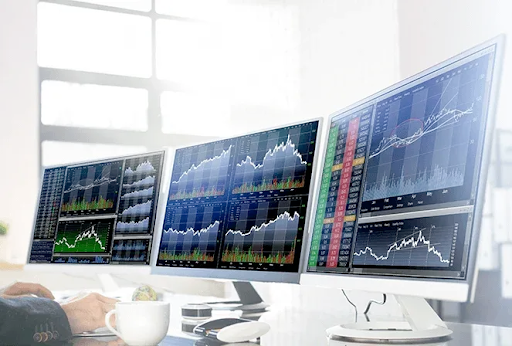
From AI to Energy Markets: How Sector Trends Influence Trading Behavior

(Investorideas.com Newswire) a go-to platform for big investing ideas, including gold and silver stocks issues market commentary from deVere Group.
Financial markets are often driven by more than just economic data. In recent years, sector-based trends such as artificial intelligence (AI), energy markets, and cryptocurrencies have played a major role in shaping trading behavior. These themes attract attention, create volatility, and influence how traders approach the market.
For both beginner and intermediate traders, understanding how sector trends affect market movements is an important step. These trends can create opportunities, but they also introduce new risks, especially in leveraged trading environments.
The Rise of Sector-Driven Markets
Markets today are more connected than ever. Instead of moving only based on traditional economic indicators, they are increasingly influenced by sector-specific developments.
For example, the growth of AI has created strong momentum in technology-related assets. Companies involved in AI development often experience increased investor interest, leading to higher volatility. At the same time, news about regulation or innovation can quickly change market direction.
Energy markets provide another example. Oil and gas prices are influenced by global supply, geopolitical tensions, and demand forecasts. These factors can create sudden price movements that affect not only commodities but also currencies and indices.
Cryptocurrency markets add another layer of complexity. They are highly sensitive to market sentiment, regulation, and technological developments. This makes them one of the most volatile sectors in modern financial markets.
Understanding these sector dynamics helps traders interpret why markets move in certain ways.
How Sector Trends Influence Trading Behavior
When a specific sector becomes popular, trading behavior often changes. Traders may focus more on assets related to that sector, increasing trading volume and volatility.
For example, during periods of strong interest in AI, traders may concentrate on technology stocks or indices that include these companies. This increased attention can lead to faster price movements and more trading opportunities.
Similarly, in energy markets, traders often react to news about supply disruptions or policy changes. These events can cause rapid price shifts, influencing short-term trading strategies.
In cryptocurrency markets, sentiment plays a major role. Positive news can lead to strong upward movements, while negative news can cause sharp declines. Traders often adjust their strategies based on these changes in sentiment.
As a result, sector trends do not only influence price direction, but also how traders behave and make decisions.
Volatility and Its Impact on Trading
Sector-driven markets are often associated with higher volatility. This means prices can change quickly within short periods of time.
While volatility can create opportunities, it also increases risk. In leveraged trading, even small price movements can have a large impact on positions.
For example, during major developments in AI or energy markets, price movements can become unpredictable. Traders who are not prepared for these conditions may face unexpected losses.
This is why understanding volatility is essential. Traders need to adjust their position sizes, manage risk carefully, and avoid overexposure during uncertain periods.
Execution Conditions in Volatile Markets
Sector trends not only affect price movements but also influence trading conditions such as spreads, slippage, and execution speed.
During high volatility, spreads may widen, and slippage can occur more frequently. This means trades may be executed at slightly different prices than expected.
These factors can impact overall trading results, especially for short-term strategies.
Traders who understand these conditions can plan better. They may choose to trade during more stable periods or adjust their strategies to account for higher volatility.
Traders often rely on an online trading platform to monitor multiple asset classes and react to changing market conditions. Platforms such as ScoreCM provide access to global markets and help traders analyze execution behavior during volatile periods.
Combining Sector Analysis with Trading Strategy
Understanding sector trends is only useful if it is applied correctly. Traders need to connect market themes with practical strategies.
For example, during strong sector trends, momentum-based strategies may perform well. In contrast, during uncertain periods, traders may prefer more cautious approaches.
It is also important to diversify. Focusing only on one sector can increase risk. By following multiple sectors, traders can balance their exposure and reduce dependence on a single market theme.
In addition, combining sector analysis with macroeconomic understanding provides a more complete picture. While sector trends explain short-term movements, macro factors provide broader context.
Adapting to Changing Market Themes
Sector trends are not permanent. Markets constantly evolve, and new themes replace old ones over time.
For example, a strong trend in AI today may slow down in the future, while another sector becomes more dominant. Traders need to stay flexible and adapt to these changes.
Following market news, analyzing trends, and observing price behavior helps traders stay updated.
Being adaptable is one of the most important skills in trading. Those who can adjust their strategies based on changing conditions are more likely to succeed.
Final Thoughts
Sector trends such as AI, energy, and cryptocurrencies play a major role in shaping modern financial markets. They influence volatility, trading behavior, and execution conditions.
For traders, understanding these trends provides valuable context. It helps explain why markets move and how trading conditions change.
By combining sector analysis with proper risk management and reliable platforms such as ScoreCM, traders can approach the market with greater awareness and structure.
In today’s fast-moving markets, those who understand sector-driven dynamics are better prepared to navigate opportunities and risks effectively.

Check out the Exploring Mining podcast at Investorideas.com with host Cali Van Zant for the latest mining stock news and insightful interviews with top industry experts
Latest episode: https://www.youtube.com/watch?v=KQRyiswZSyc
About Investorideas.com - Big Investing Ideas
Investorideas.com is the go-to platform for big investing ideas. From breaking stock news to top-rated investing podcasts, we cover it all. Our original branded content includes podcasts such as Exploring Mining, Cleantech, Crypto Corner, Cannabis News, and the AI Eye. We also create free investor stock directories for sectors including mining, crypto, renewable energy, gaming, biotech, tech, sports and more. Public companies within the sectors we cover can use our news publishing and content creation services to help tell their story to interested investors. Paid content is always disclosed.
Learn more about our news, PR and social media, podcast and content services at Investorideas.com
https://www.investorideas.com/Investors/Services.asp
Follow us on X @investorideas @stocknewsbites
Follow us on
Facebook
https://www.facebook.com/Investorideas
Follow us on YouTube
https://www.youtube.com/c/Investorideas
Contact Investorideas.com
800 665 0411
This article is for informational purposes only and is not investment advice. See our full disclaimer.